Interactive Brokers is reframing prediction markets as a
source of actionable intelligence rather than a speculative product, as the
firm expands access to multiple venues and targets sophisticated investors
seeking signals.
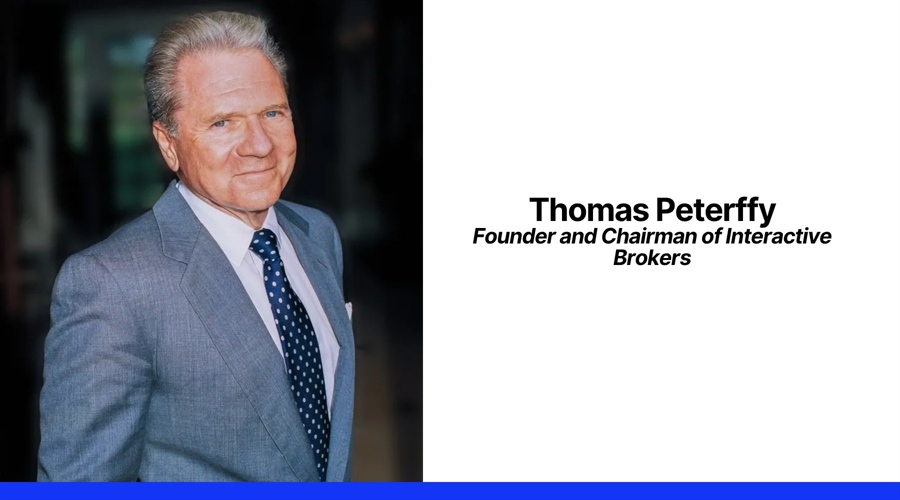
Speaking to CNBC, founder and chairman Thomas Peterffy
rejected the idea that the broker’s recent expansion in this space reflects pressure from platforms such
as Kalshi and Polymarket. Instead, he argued that the industry often misreads
the purpose of these markets.
“The primary importance of prediction markets for IBKR is
that they are a source of vital information for our customers. Our customers
must know how the economy is evolving in different regions and consumer
demographics and industries around the globe.”
Peterffy said clients rely on prediction markets to
understand how economic conditions evolve across regions and sectors. He
described the data as a way to anticipate demand shifts and align investment
decisions accordingly.
Related: Interactive Brokers UK Profit Jumps 150% to £34 Million as Client Count Tops 86,000
He added that prediction markets convert expectations into
measurable probabilities. This structure allows investors to interpret future
scenarios with more clarity than traditional indicators.
Kalshi x Interactive Brokers
One of the largest brokers in the world.
Casual, sophisticated, and institutional investors can now trade the future.
All in one place. pic.twitter.com/yM2S4mksU9
— Kalshi (@Kalshi) May 14, 2026
Interactive Brokers is integrating prediction markets into
its existing infrastructure by aggregating liquidity from multiple venues. The
firm already combines pricing data across equities and options markets. The approach suggests that brokers may compete on access and
pricing rather than operating standalone prediction markets.
Contents
Building a Market Aggregator
“We aggregate currently information from all the stock and
options exchanges and make it available to the consolidated quote to our
customers. We are doing the same for prediction markets and other platforms are
likely to try to do the same.”
However, IBKR is taking a selective approach to the types of
contracts it offers. The platform excludes sports-related markets and focuses
on events with economic relevance.
Instead, the broker prioritizes instruments tied to economic
indicators, elections, and climate developments. This positioning aligns with
its focus on professional and institutional clients.
Indeed, last week, Interactive Brokers rolled out a unified event trading feature that bundles access to Kalshi, CME Group, and ForecastEx
into a single interface. The system aggregates contracts across venues and
routes orders to the best available price, removing the need for multiple
accounts and positioning the broker as an access layer rather than a standalone
prediction market operator.
Turning Prediction Markets Into Unified Data
The rollout supports Peterffy’s broader argument that Milan Galik, Chief Executive Officer, Interactive Brokers, Source: IBKR
prediction markets function as an information tool. By consolidating contracts
tied to elections, economic indicators, and climate events, the platform allows
clients to interpret probability signals across markets in one place.
“Prediction markets are reshaping how investors think about
risk and uncertainty,” said Milan Galik, Chief Executive Officer of Interactive
Brokers. He said the company wants to give clients access to several venues
through one platform, much like how they trade traditional assets today.
Meanwhile, Tradeweb took an institutional approach to
prediction markets by partnering with Kalshi and acquiring a minority stake.
FOREX.com, through parent company StoneX, opted for a narrower model by
partnering with Kalshi to offer clients access to US election event contracts.
Interactive Brokers is reframing prediction markets as a
source of actionable intelligence rather than a speculative product, as the
firm expands access to multiple venues and targets sophisticated investors
seeking signals.
Speaking to CNBC, founder and chairman Thomas Peterffy
rejected the idea that the broker’s recent expansion in this space reflects pressure from platforms such
as Kalshi and Polymarket. Instead, he argued that the industry often misreads
the purpose of these markets.
“The primary importance of prediction markets for IBKR is
that they are a source of vital information for our customers. Our customers
must know how the economy is evolving in different regions and consumer
demographics and industries around the globe.”
Peterffy said clients rely on prediction markets to
understand how economic conditions evolve across regions and sectors. He
described the data as a way to anticipate demand shifts and align investment
decisions accordingly.
Related: Interactive Brokers UK Profit Jumps 150% to £34 Million as Client Count Tops 86,000
He added that prediction markets convert expectations into
measurable probabilities. This structure allows investors to interpret future
scenarios with more clarity than traditional indicators.
Kalshi x Interactive Brokers
One of the largest brokers in the world.
Casual, sophisticated, and institutional investors can now trade the future.
All in one place. pic.twitter.com/yM2S4mksU9
— Kalshi (@Kalshi) May 14, 2026
Interactive Brokers is integrating prediction markets into
its existing infrastructure by aggregating liquidity from multiple venues. The
firm already combines pricing data across equities and options markets. The approach suggests that brokers may compete on access and
pricing rather than operating standalone prediction markets.
Building a Market Aggregator
“We aggregate currently information from all the stock and
options exchanges and make it available to the consolidated quote to our
customers. We are doing the same for prediction markets and other platforms are
likely to try to do the same.”
However, IBKR is taking a selective approach to the types of
contracts it offers. The platform excludes sports-related markets and focuses
on events with economic relevance.
Instead, the broker prioritizes instruments tied to economic
indicators, elections, and climate developments. This positioning aligns with
its focus on professional and institutional clients.
Indeed, last week, Interactive Brokers rolled out a unified event trading feature that bundles access to Kalshi, CME Group, and ForecastEx
into a single interface. The system aggregates contracts across venues and
routes orders to the best available price, removing the need for multiple
accounts and positioning the broker as an access layer rather than a standalone
prediction market operator.
Turning Prediction Markets Into Unified Data
The rollout supports Peterffy’s broader argument that Milan Galik, Chief Executive Officer, Interactive Brokers, Source: IBKR
prediction markets function as an information tool. By consolidating contracts
tied to elections, economic indicators, and climate events, the platform allows
clients to interpret probability signals across markets in one place.
“Prediction markets are reshaping how investors think about
risk and uncertainty,” said Milan Galik, Chief Executive Officer of Interactive
Brokers. He said the company wants to give clients access to several venues
through one platform, much like how they trade traditional assets today.
Meanwhile, Tradeweb took an institutional approach to
prediction markets by partnering with Kalshi and acquiring a minority stake.
FOREX.com, through parent company StoneX, opted for a narrower model by
partnering with Kalshi to offer clients access to US election event contracts.
SOURCE LINK : “Prediction Markets Are a Vital Source of Information for Our Customers”: IBKR’s Founder Says