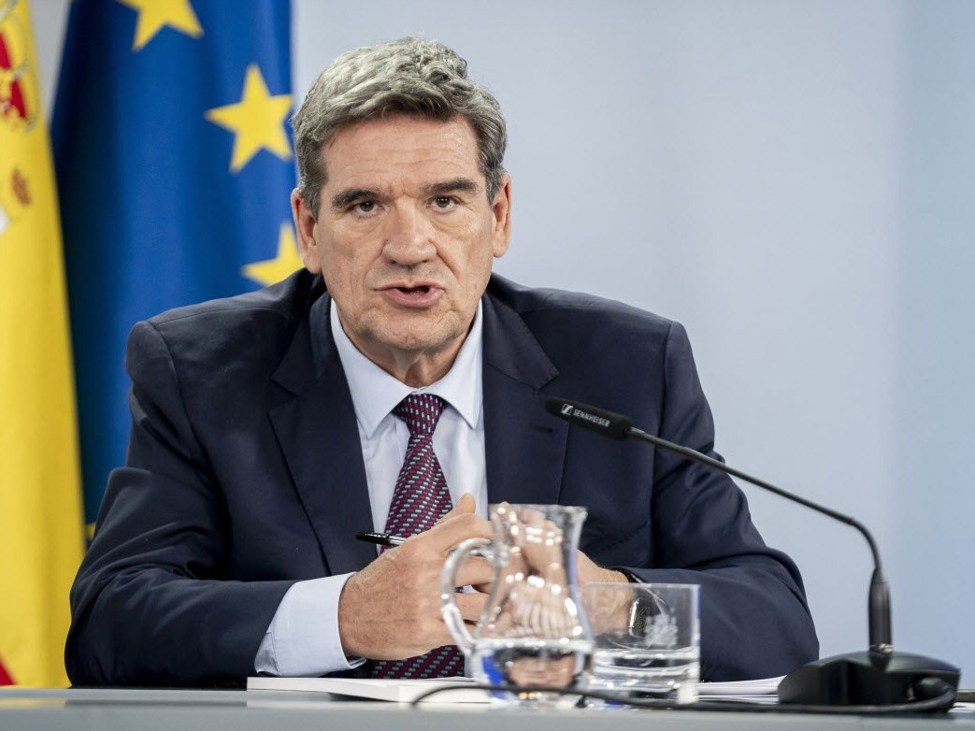
ECB’s Escriva said the central bank needs to closely monitor whether higher prices begin feeding into wages. The latest ECB wage tracker points to relatively stable and moderating negotiated wage growth, suggesting such second-round pressures have not yet materialized.
According to the ECB’s June wage tracker update, negotiated wages are expected to rise by around 2.6% in 2026, unchanged from prior estimates and below the 3.0% pace seen in 2025. Broader labour cost measures have also cooled, indicating wage dynamics remain consistent with gradual disinflation rather than renewed inflation acceleration.
This matters because wage growth has become one of the ECB’s most closely watched indicators following its recent 25 bps hike. The central bank has acknowledged that energy-driven inflation is already spilling into services and transport, but policymakers remain divided on whether this will become persistent enough to justify further tightening.
With Eurozone inflation projected at 3.0% in 2026, the ECB is particularly focused on signs that inflation is becoming embedded in domestic price-setting behavior.
For now, Escriva remarks suggest the ECB sees wage risks as a threat to watch rather than an immediate problem. Stable negotiated wage growth offers some reassurance that the current inflation shock has not triggered broader second-round effects, but policymakers remain on alert as any acceleration in wage settlements could strengthen the case for additional rate hikes later this year.
The market is pricing in 35 bps of tightening by year-end with 66% chance of a rate hike in September.
SOURCE LINK : ECB policymaker Escriva says the ECB needs to monitor for second-round effects on wages