Summary:
- IRGC Navy rejected the Omani-IMO Hormuz transit framework, calling the proposed route unacceptable and a serious safety risk, giving oil a brief pop though rising traffic through the strait remains the dominant price weight
- BOJ board member Tamura called for rate hikes every few months toward a 2% neutral rate, said underlying inflation has already reached 2%, and warned the BOJ should not hesitate to accelerate if upside price risks heighten
- Australia added 40,300 jobs in May and unemployment fell to 4.4%, but the April revision to minus 40,700, a part-time-heavy composition and a 1.1% fall in hours worked tempered the headline; household spending beat strongly at 1.3% against a 0.5% forecast with annual growth at 5.5%
- Japanese and South Korean equities climbed, led by tech after Micron’s blowout earnings and guidance reignited AI trade confidence
- Successive earthquakes, a 7.1 followed by a 7.5 sixty seconds later, struck north-central Venezuela, causing severe damage across Caracas; a state of emergency has been declared and the main airport closed
- US Speaker Johnson meets President Trump at the White House at 2pm Eastern Thursday
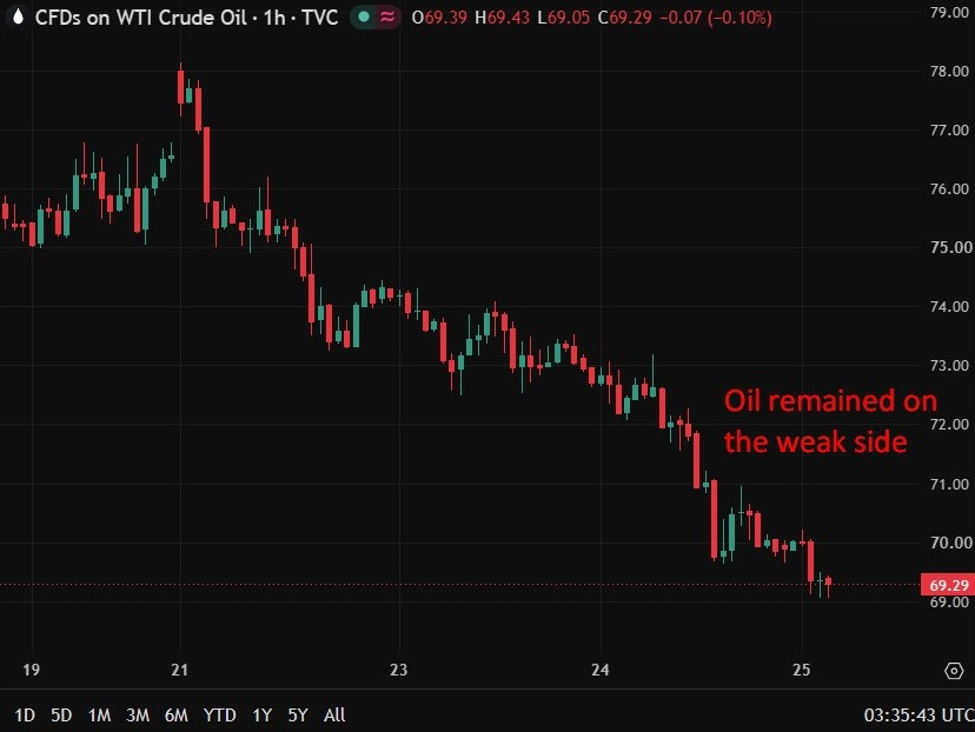
Iran’s IRGC Navy injected fresh uncertainty into the Hormuz picture in the session, rejecting the transit framework proposed under Omani and International Maritime Organization auspices and declaring the route unacceptable and a serious safety risk. The language carries an implicit threat to resume pressure on commercial shipping or impede mine clearance, though the dominant oil market dynamic remains the steady increase in vessel traffic successfully transiting the strait, which kept the crude price reaction to a modest pop.
BOJ board member Naoki Tamura delivered the session’s most hawkish central bank signal, saying underlying inflation has already reached 2%, calling for rate hikes at intervals of a few months toward a neutral rate of around 2%, and warning the board should not hesitate to accelerate or move in larger increments if upside price risks intensify. The remarks reinforce the hawkish read from the June Summary of Opinions released Wednesday.
Australia’s May labour force data came in above the headline consensus at 40,300 jobs added and unemployment back at 4.4%, but the quality of the print was mixed: April was revised sharply to minus 40,700, most of May’s gain was part-time, and hours worked fell 1.1%. Household spending provided the hawkish offset, beating expectations with a 1.3% monthly gain and 5.5% annual growth across all nine spending categories. AUD barely moved, and major FX was broadly subdued with the dollar edging only marginally lower.
Japanese and South Korean equities climbed, led by technology names after Micron’s record earnings and guidance reignited conviction in the AI trade and provided relief to a sector that had been watching for confirmation the demand cycle remains intact.
Our thoughts are with everyone in Venezuela tonight. Successive earthquakes, a 7.1 followed by a 7.5 sixty seconds later, struck north-central Venezuela, causing devastating damage across Caracas. A state of emergency is in effect, the main airport has been closed after suffering severe damage, and metro and rail services have been suspended. The full, tragic, human toll is still emerging.
Looking ahead, Speaker Johnson meets President Trump at the White House at 2pm Eastern Thursday.
SOURCE LINK : investingLive Asia-Pacific FX news wrap: IRGC reject Omani-IMO Hormuz transit framework